Keeping the ferry running
A state ferry subsidy was about to be cut in a budget nobody had read closely. In eleven weeks a coalition that did not exist put $41 million back and won a four-year authorization so the fight would not come back every spring.
The situation
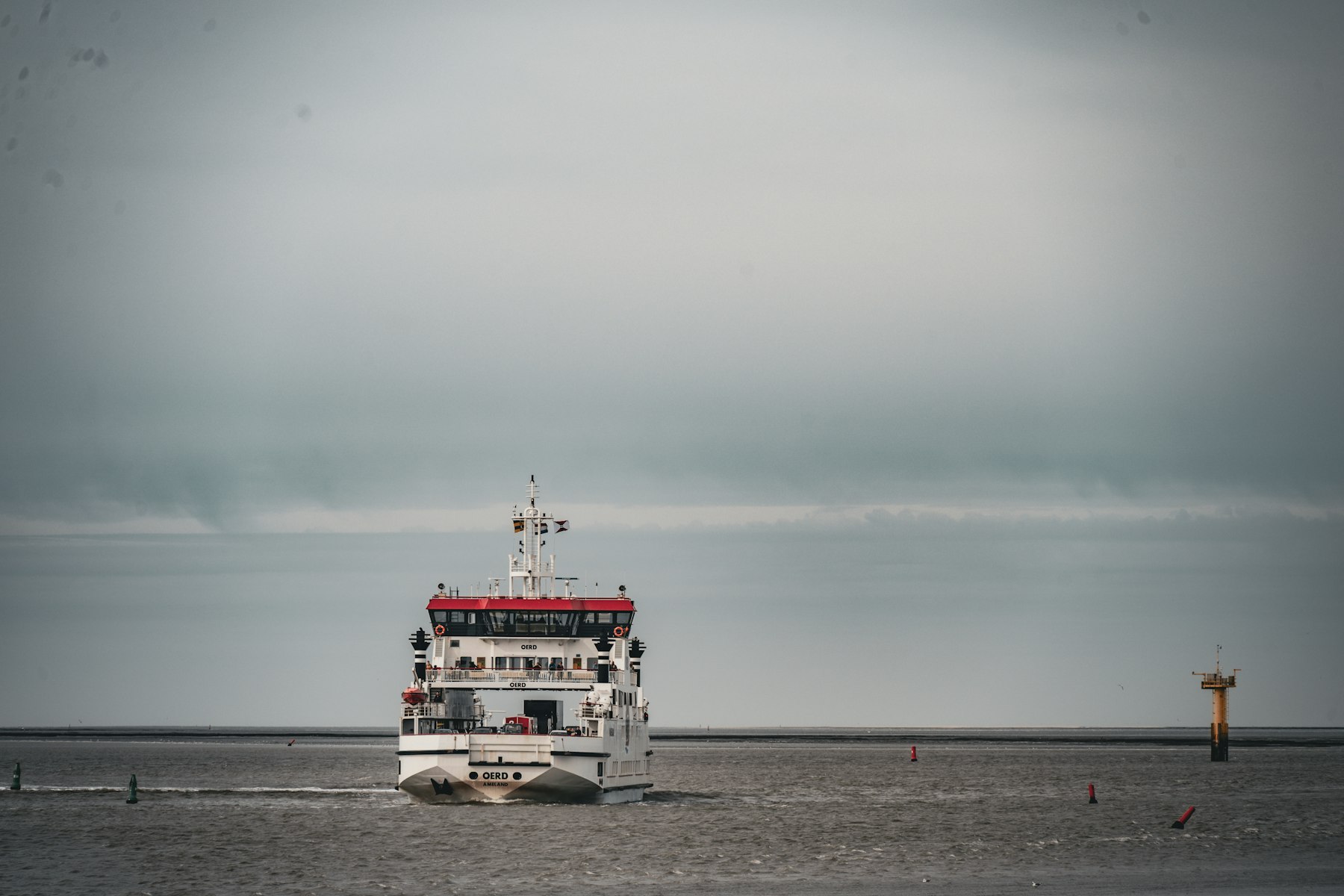
The governor's budget zeroed out the operating subsidy for four ferry routes serving island and peninsula communities. The line was one of three hundred cuts, the fiscal note called the routes "low ridership," and the transit alliance that depended on the money had no lobbyist, no data, and a hearing in nineteen days.
The alliance came to Halyard through a county commissioner who had seen our broadband work. The question was not whether the routes mattered. It was whether anyone in the capitol would find out in time.
The argument
"Low ridership" counted passengers. It did not count the nurses, the school bus, the pharmacy delivery, or the fact that the alternative to the ferry for two of the communities is a four-hour drive. We rebuilt the fiscal note around what the state would pay if the routes stopped: emergency medical transport, school transportation, and a hospital district that had already modeled closing a clinic.
The sentence we needed a senator to believe: cutting the ferry costs the state more than running it. Once the hospital district's number was on paper, it was true, and it was theirs to say.

Eleven weeks
The count
Who rides, why, and what happens if they cannot. Two associates on the ferries for four days with a clipboard. The hospital district, the school superintendent, and a pharmacy chain agreed to put numbers on the record.
The hearing
Eleven witnesses in nine minutes: a nurse, a principal, a commissioner, the hospital CFO. One page each. The chair asked the budget office to re-score the cut.
The re-score
The budget office's revised note found a net cost to the state of $6 million a year if the routes closed. That number ran in both state papers the next morning.
The amendment
Restoration drafted with the committee's own staff, paired with a four-year authorization so the subsidy would not be a line item in next year's fight.
The vote
Conference report adopted with the amendment intact. The coalition held a meeting the following month to decide what to do next. It still meets.

"They did not come in with a plan to lobby. They came in with a plan to make the cut cost more than the subsidy. That is why it worked."
County commissioner, Coastal Counties Transit Alliance